The Jolly Human-Nature Lab studies the relationships between people and the natural world not just conflict, but coexistence, and the place-based knowledge that shapes how communities live alongside wildlife, forests, and landscapes.
We work across cultures and geographies from Asia to North America. Our methods combine ethnographic fieldwork, interviews with participatory mapping. We partner closely with Indigenous communities, wildlife agencies, and NGOs. Our lab welcomes researchers at every career stage, from different geographies, languages, and culture united by a commitment to asking better questions about how humans and nature can thrive together.
RESEARCH ACROSS GEOGRAPHIES
Explore by location
Select a location, then explore its projects.
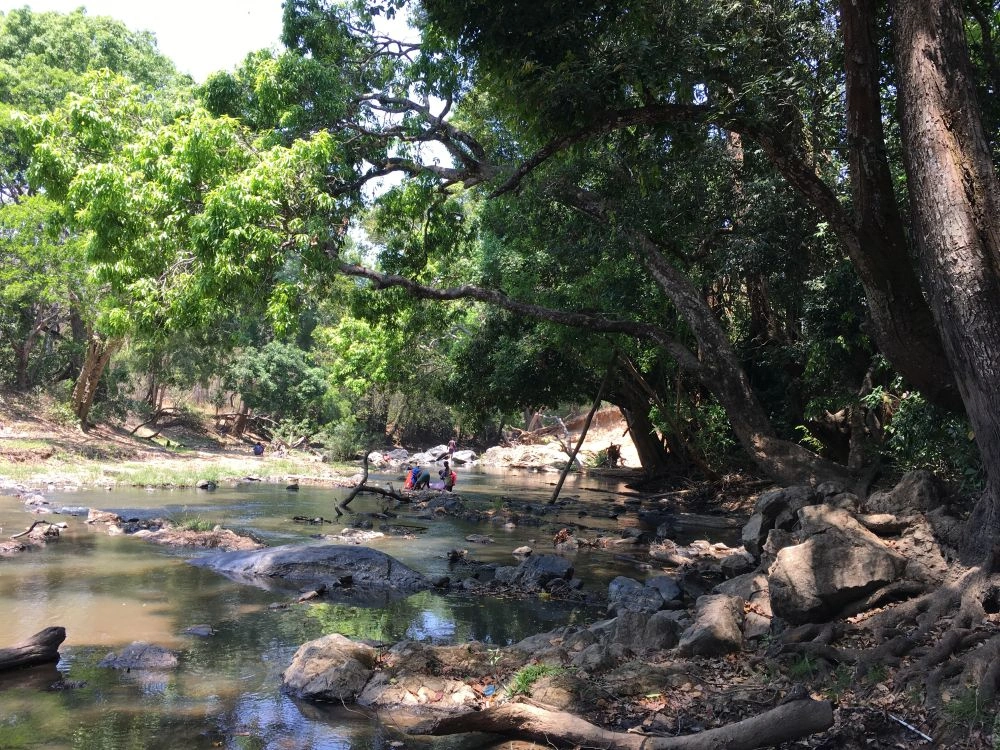
Status: 2016 - OngoingDeep Coexistence: Kattunayakan People, Wildlife & Forest Knowledge
Long-term ethnographic collaboration with the Kattunayakans, a hunter-gatherer Adivasi community in Kerala's Western Ghats in Southern India. Documents how Kattunayakan ontologies of forest, fire, wildlife, and food differ from assumptions in India's conservation laws. Themes include Indigenous fire knowledge, cultural burning, biocultural food systems, and the erasure of local ecological knowledge from protected area governance.
Status: 2026 - OngoingCultural Fire and Human - Wildlife Coexistence in India
Building on my existing work on human-wildlife coexistence and characterization of cultural burning in Southern India, this project focuses on understanding how Indigenous cultural burning facilitates and enables human-wildlife coexistence.
Status: 2016 - OngoingMultispecies Ethnographies of Thinking and Being Like a Honeybee
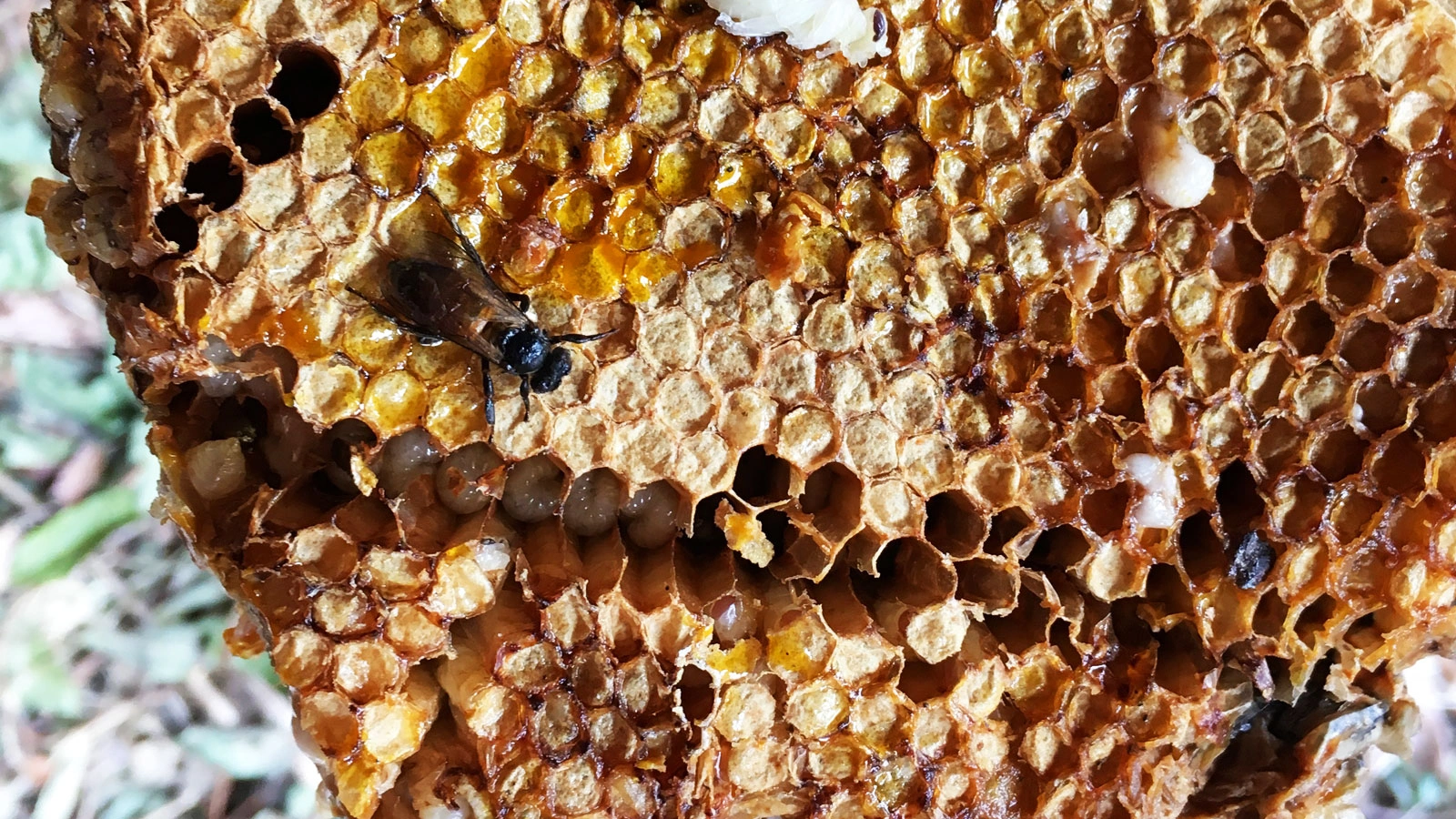
Study on Kattunayakan ways of knowing and being with wild honeybees (Apis dorsata). Theoretically and methodologically, it sits at the intersection of multispecies ethnography and relational framing of human-nature interactions.
Status: 2026 - OngoingBiocultural worldings of humans and honeybees
Through an interdisciplinary lens, this project will explore what becomes visible when different ways of knowing and representing these relations (such as community knowledge, ethnography, ecological observation, historical perspectives and design) are brought into relation. This includes documenting ritual, song-prayer, oral cosmology, and ecological knowledge of Apis dorsata in the medium of audio, video, image, and text.
Status: 2024 - 2025Pathways of Human–Elephant Coexistence in Sri Lanka
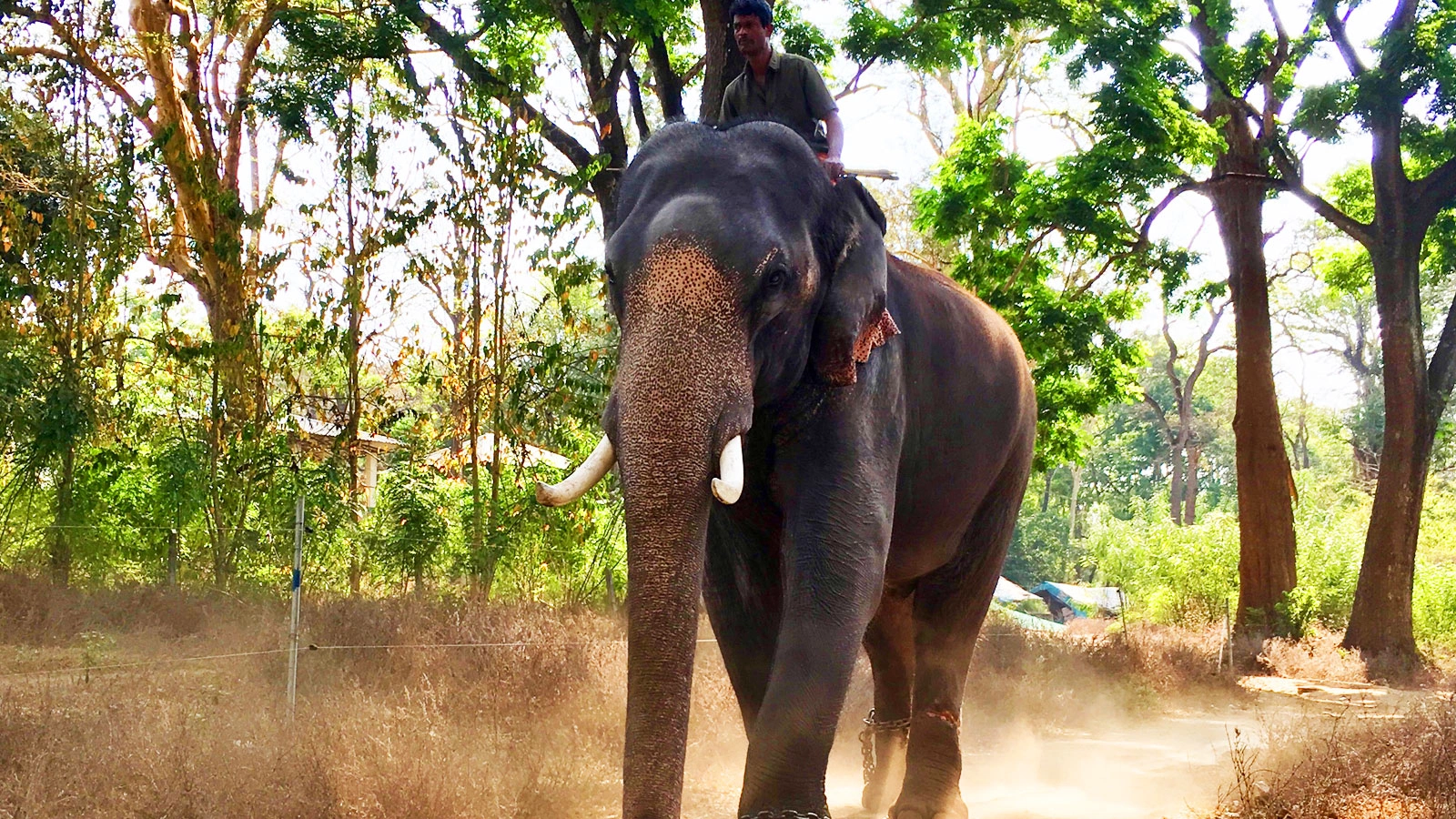
Investigates how farming communities in Sri Lanka understand and coexist with elephants. Ethnographic fieldwork documenting community knowledge, cultural practices, and worldviews around human–elephant relationships in Udawalawe national park region. The work contributes to an understanding of human–wildlife coexistence across farming communities in Sri Lanka.
Status: 2025 - 2026Human- Wildlife Coexistence among Vedda People of Sri Lanka
Investigates how Indigenous Vedda people of Sri Lanka understand and coexist with wildlife. The study is built on the ethnographic fieldwork conducted by the Virginia Tech University members on community knowledge, cultural practices, and worldviews around human–elephant relationships using interview protocol developed, and designed by Dr. Helina Jolly (Jolly et al., 2022). The work contributes to a comparative framework of human–wildlife coexistence across South Asia.
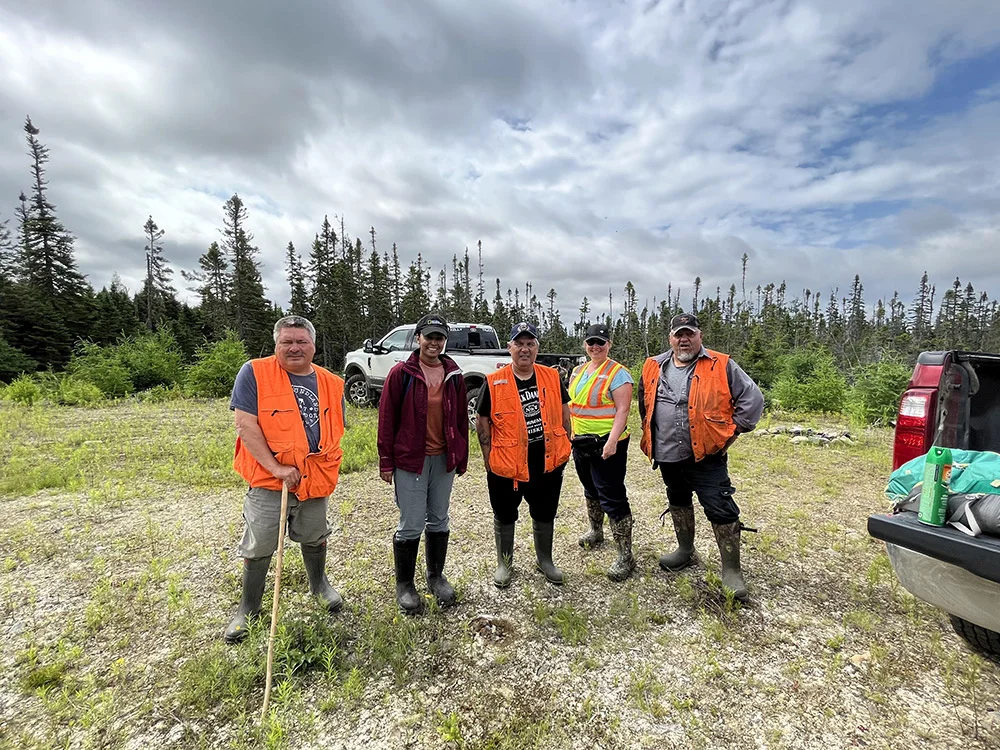
Status: 2024 - OngoingIndigenous-Led Conservation & Biocultural Landscapes in Canada
In partnership with the Miawpukek First Nation documenting Indigenous-led conservation in boreal heathlands especially around a deeper understanding of what open natural ecosystems, and how they are stewarded, and engaged. The study researchers and community members are reframing these spaces moving beyond colonial perspectives of "unproductive" barrens to highlight their deep biocultural value. The work is conducted by Kanna Siripurapu, PhD candidate.
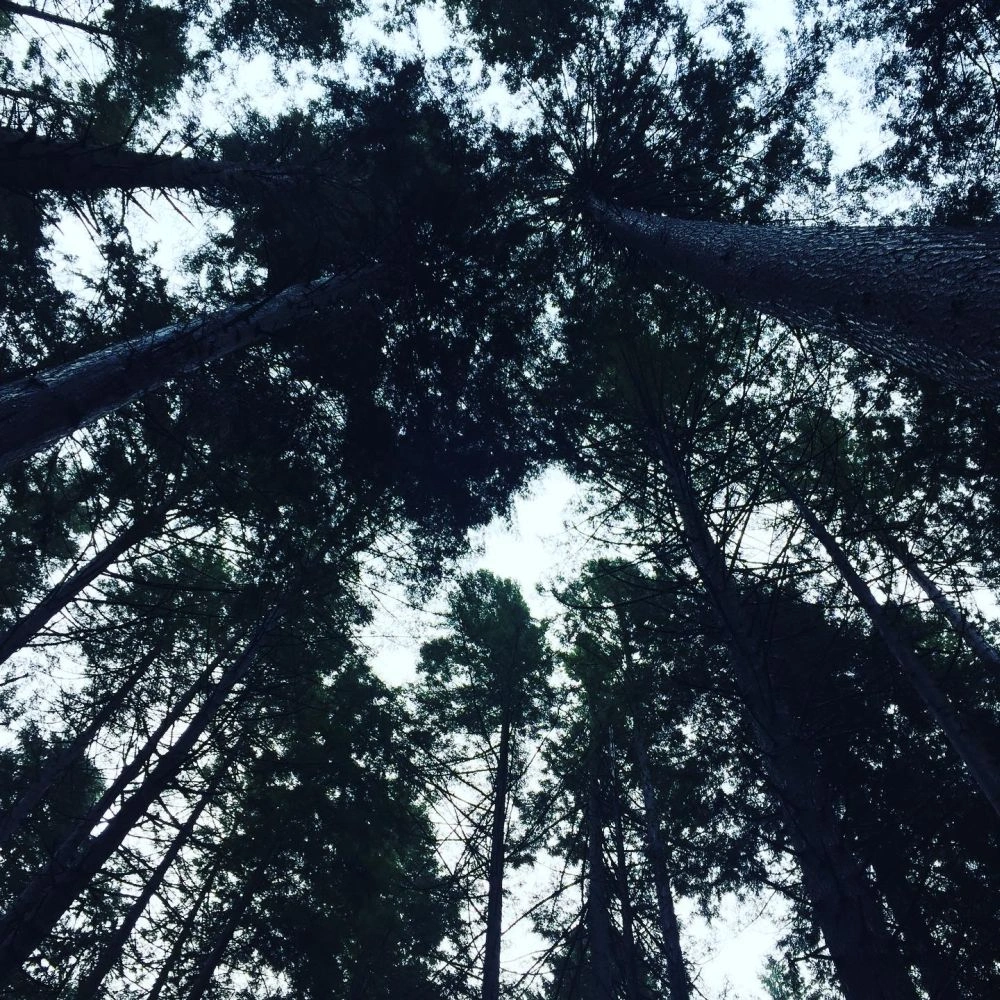
Status: 2026 – OngoingWinter Ice, Landscape Connections, Health, Well-being & Social Resilience in the Lake Champlain Basin
Community-based participatory research on how newer Vermont residents from warmer climates experience winter and Lake Champlain, and how this shapes health, belonging, and social resilience. Methods: semi-structured focus groups, surveys and participant-led photo essays with CVOEO. The study is conducted by Juwaria Jama, MSc student at the Jolly Human-Nature Lab.
Status: 2026 - OngoingHuman – Bear Coexistence in Vermont
Pilot study examining how Vermont residents frame relationships with wildlife moving beyond conflict to capture cooperation, admiration, and cohabitation. Semi-structured interviews conducted with Vermont Fish & Wildlife across multiple towns. The study is conducted by Maddie Tencza and Killian Briggs, Undergraduates at the Jolly Human-Nature lab.
Status: 2026 - OngoingAI–Based Human–Wildlife Coexistence Visualization
Develops a pilot AI-based interactive platform combining machine learning, NLP, and geospatial data to map human–wildlife interaction patterns in Vermont. Links story nodes to spatial data on species, land use, demographics, and ecology. Highlights coexistence hotspots and interaction trends beyond conflict. Provides students hands-on AI research experience and serves as proof-of-concept for larger external grants.
Status: 2026 - OngoingBuilding a Multimodal Corpora of Human–Wildlife Interactions in Vermont
Builds a multimodal data infrastructure integrating narrative and ecological data on human–wildlife interactions. Corpus combines interview data, public discourse (social media, news, forums), trail camera records, wildlife incident reports, and citizen science observations. Expands the EPSCoR SOCKS initiative into environmental domain. Undergraduate student trained across all phases.
Status: 2026 - OngoingIndigenous Cultural Values & Silvicultural Practices in Wabanaki Territory in Maine
Investigates how Indigenous cultural values shape silvicultural practice in northern Maine forests centering Wabanaki knowledge holders and tribal forestry departments as co-designers. Themes include culturally healthy forests, culturally important species (fiddlehead, cedar, ash, medicine plants), Indigenous stewardship, land access, and data sovereignty.
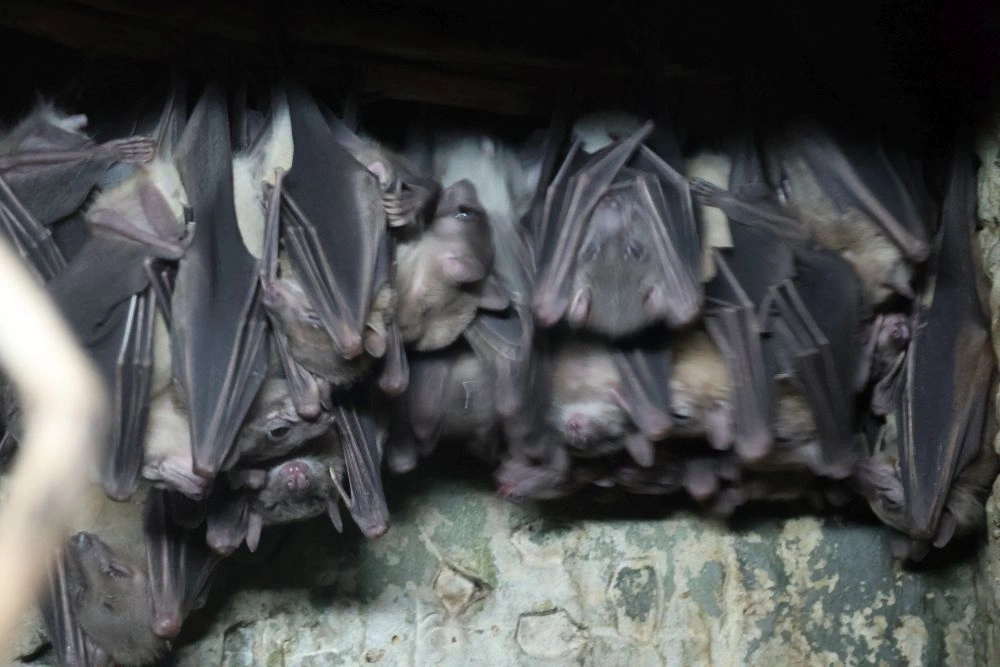
Status: 2025 – OngoingWolves, Culture & Conservation in Mongolia
How do traditional beliefs shape the way people think about predators and what does that mean for how we manage them? This research explores the role of wolves in Mongolian culture, examining how indigenous knowledge and traditional worldviews inform preferences for wolf management. The project is led by Tom Offer-Westort, PhD student at the Jolly Human-Nature lab. Building on prior fieldwork in Mongolia supported by a Fulbright Award, and earlier experience in Mexican wolf conservation in the American Southwest, Tom's work sits at the intersection of human cognition, cultural values, and wildlife policy asking what culturally aligned wolf conservation looks like in Mongolia.